Results of the G7 Ministerial Meeting on Technology and Digital
- Published:
- Last Updated:
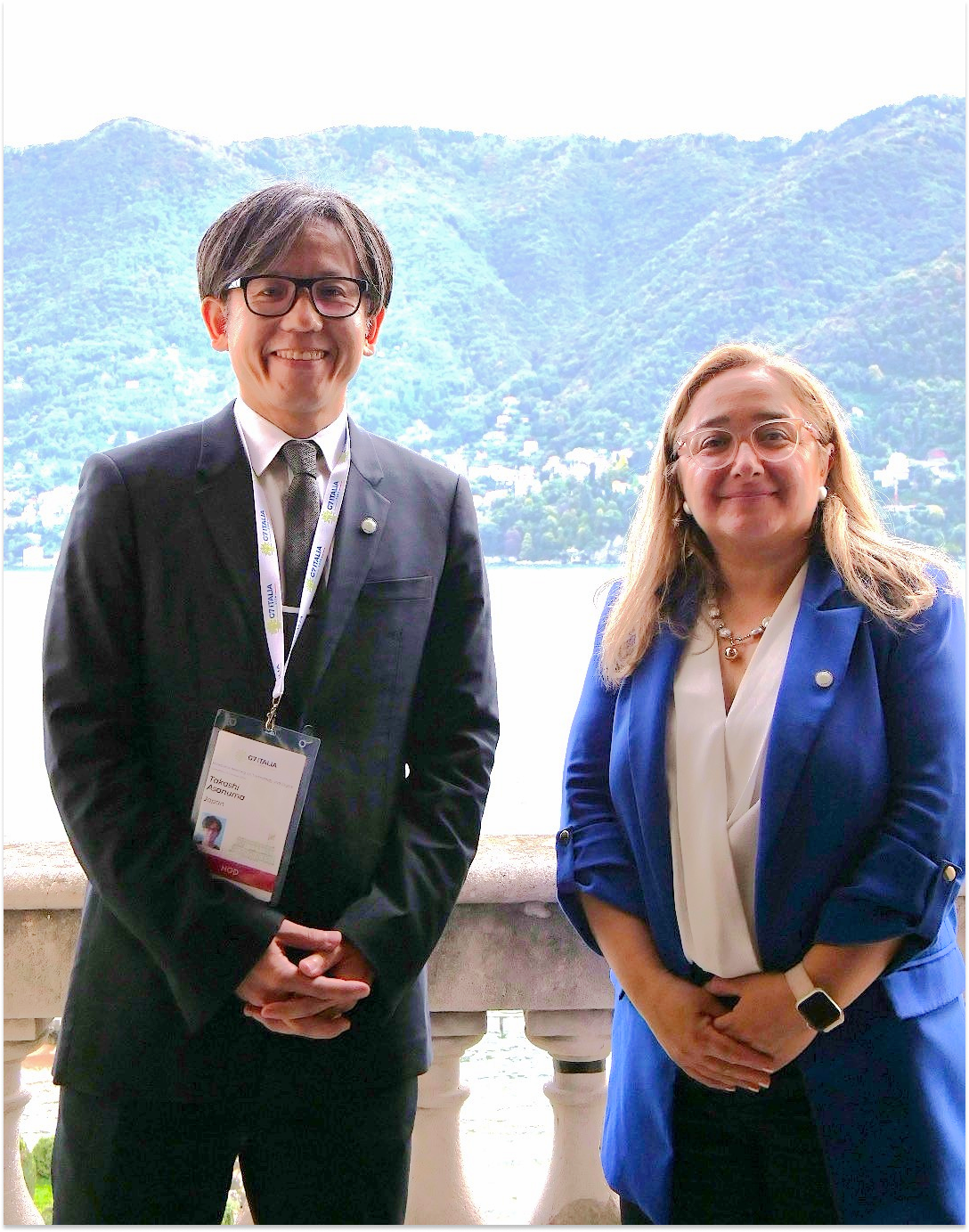
On October 15, 2024, the G7 Ministerial Meeting on Technology and Digital was held in Como, Italy. As a representative of the Digital Agency of Japan, Vice-Minister for Digital Transformation Asanuma attended the meeting.
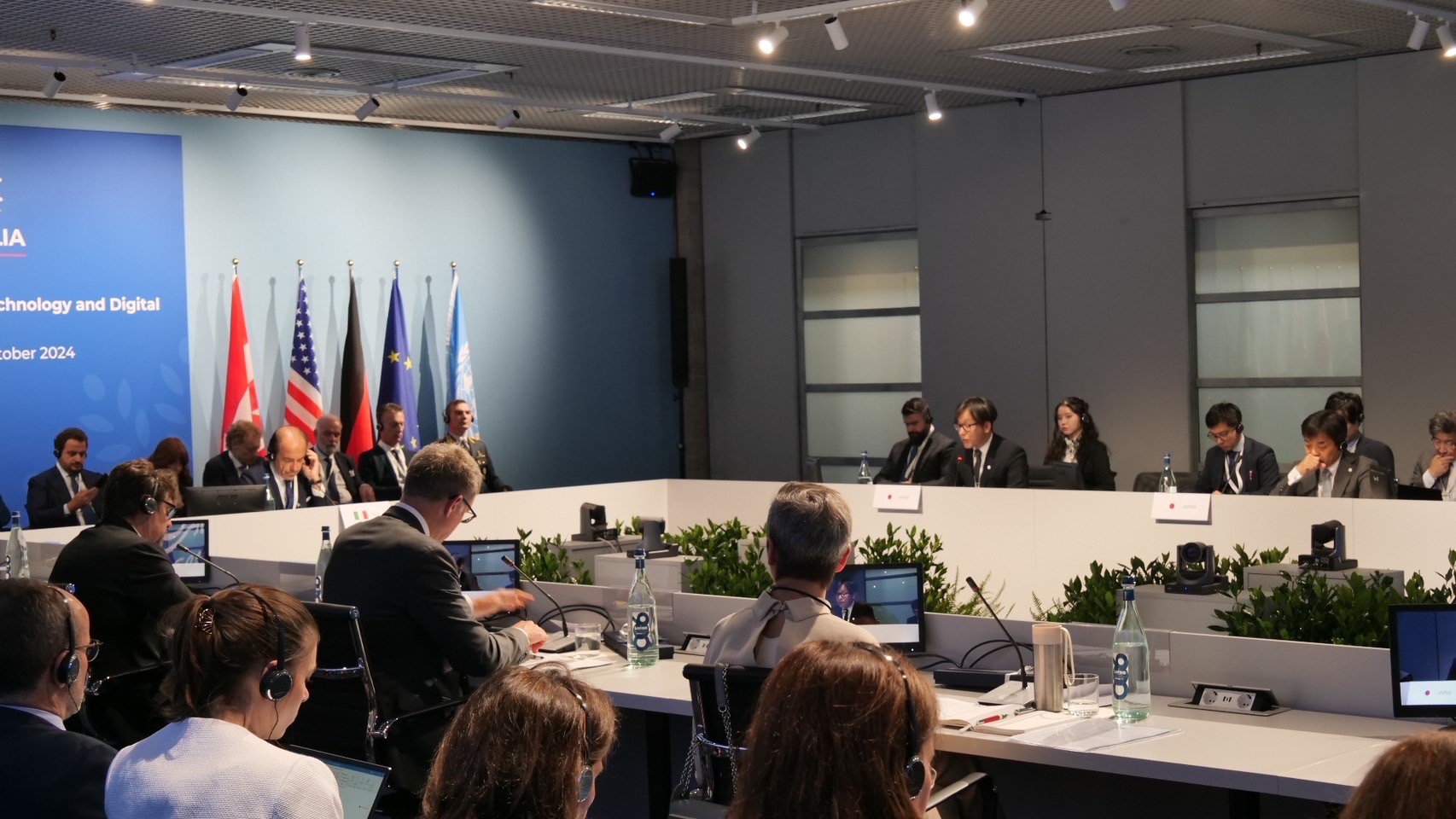
The meeting brought together representatives of not only G7 member countries and regions but also the invited countries and the relevant international organizations. As an outcome of the meeting, a joint statement was published.
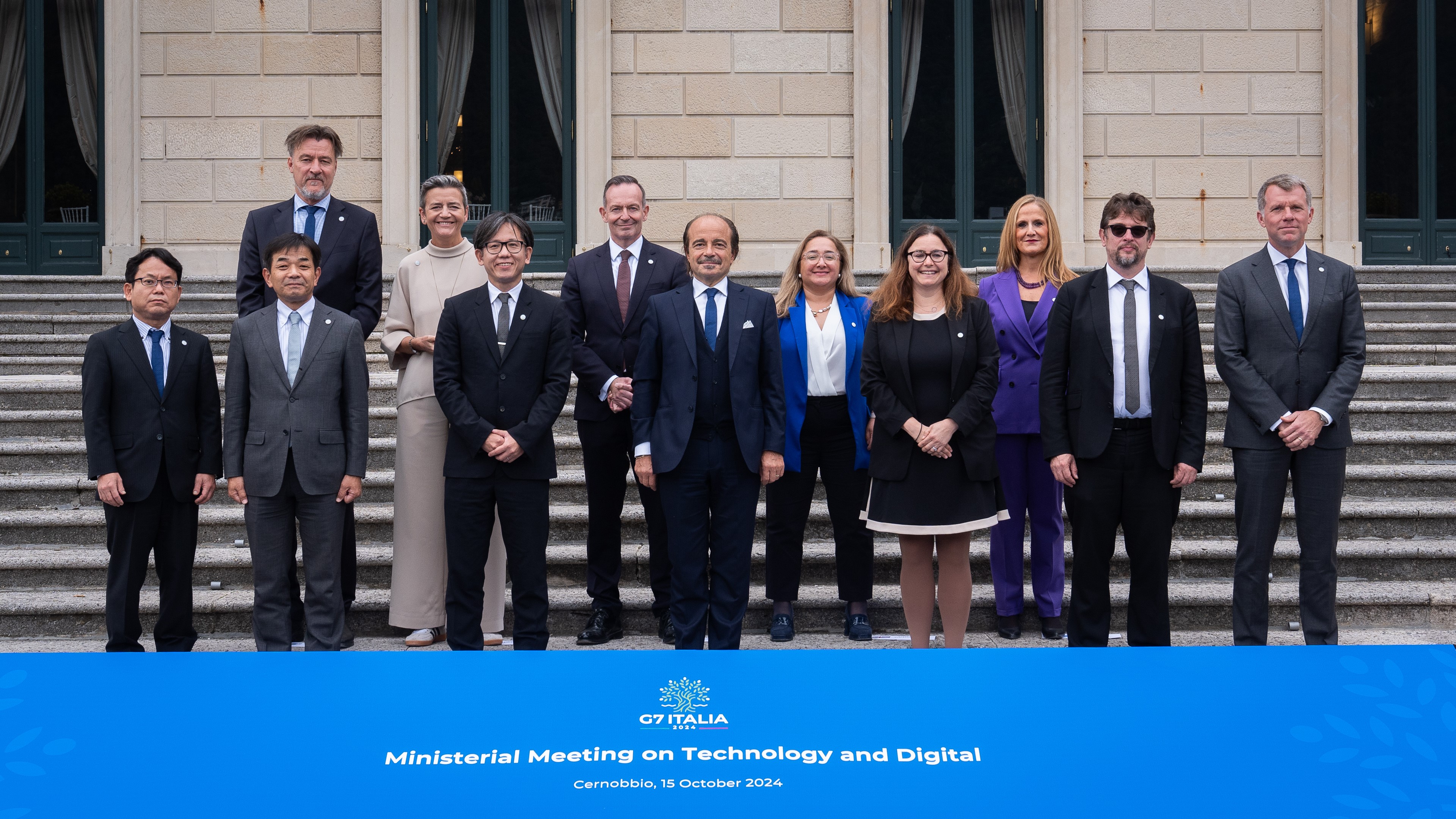
Table of
Overview of the Meeting
Focusing on the matters on which member countries decided to continue discussions in response to the Ministerial Declaration agreed at the G7 Industry, Technology and Digital Ministerial Meeting in March 2024, participants held discussions on (1) toolkit on artificial intelligence (AI) in the public sector; (2) compendium of digital government service systems; (3) mapping exercise of digital identity approaches; and (4) the reporting framework for monitoring compliance with Hiroshima AI Process International Code of Conduct for organizations developing advanced AI systems. Participants welcomed these documents, with items (1)–(3) led by the Digital Agency of Japan, which will be published on the OECD website and feature a number of Japanese initiatives.
- (1) Toolkit on AI in the Public Sector
The document outlines the use of artificial intelligence (AI) in policymaking and the public sector, including G7 trends in AI adoption, good practices, policy frameworks, and measures to promote the effective use of AI. - (2) Compendium of Digital Government Services
The document compiles examples of digital government services and solutions across G7 countries to facilitate access to public services. It also reflects different G7 approaches to the development of digital public infrastructure (DPI) and ongoing consideration of its interoperable elements among members. - (3) Mapping Exercise of Digital Identity Approaches
The document explores approaches to digital identity that could support future interoperability among G7 members, including common concepts and definitions, the use of international technical standards, and levels of assurance.
Under the Italian G7 Presidency, ministers discussed digital public infrastructure (DPI) for the first time at the ministerial level. The Government of Japan shared the following points:
- In advancing discussions on DPI, it is important to achieve a more integrated digital government by coordinating individual elements, including the use of AI in the public sector and digital identity.
- A key factor is the sharing of data across all relevant elements, as well as ensuring robust data governance.
- In this context, further progress on interoperability requires appropriately addressing various concerns and challenges related to data sharing, including through the promotion of Data Free Flow with Trust (DFFT).
Outcome Documents
- G7 Joint Statement
- Toolkit on AI in the Public Sector
- Compendium of Digital Government Services
- Mapping Exercise of Digital Identity Approaches
Bilateral Meetings
On October 14 -15, Vice-Minister for Digital Transformation Asanuma held bilateral meetings with ministers and officials participating in the G7 Ministerial Meeting on Technology and Digital.
1. Italy
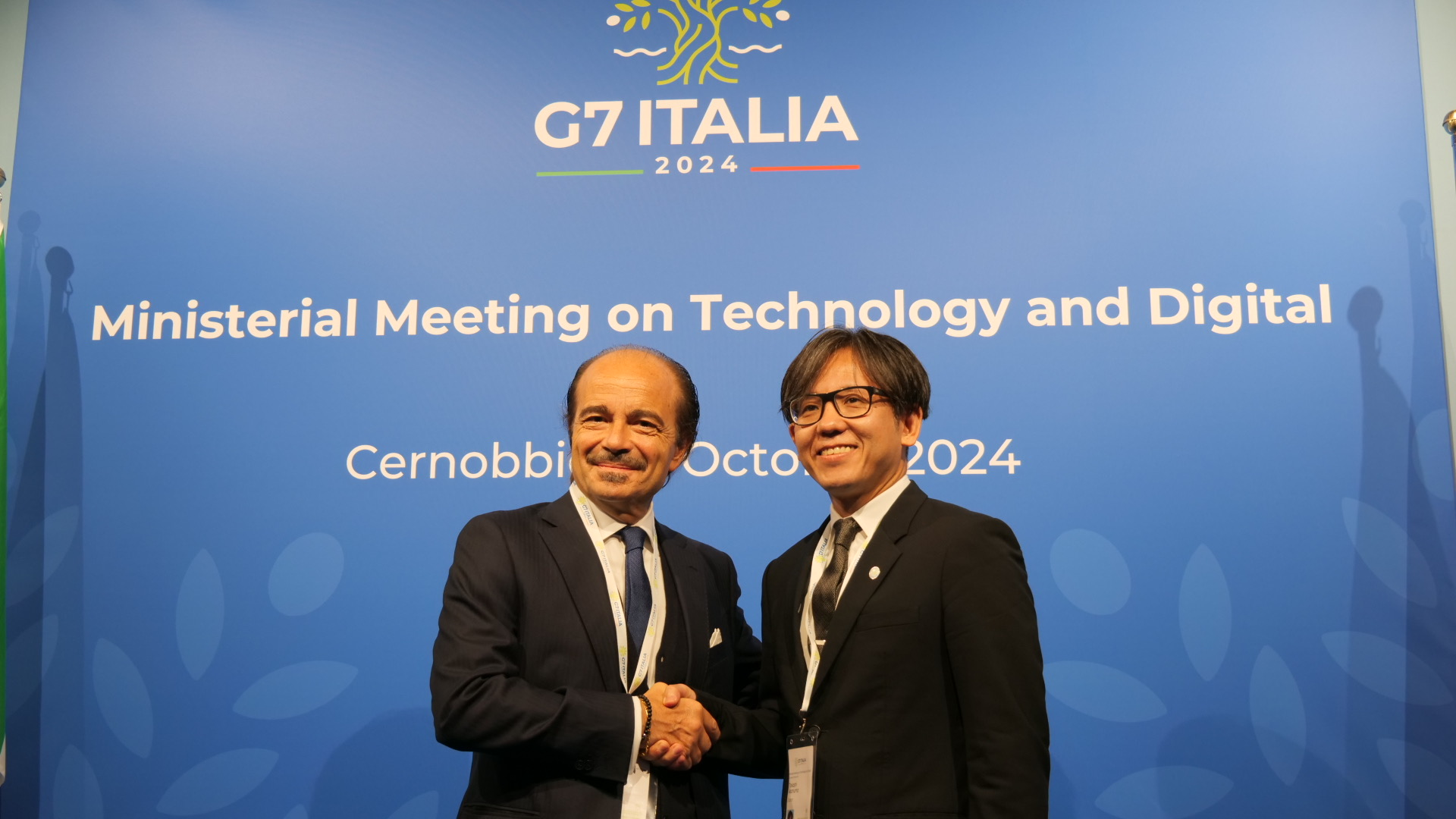
Meeting with Alessio Butti, Undersecretary of State for Technological Innovation of the Italian G7 Presidency, during which views were exchanged on digital public infrastructure, the use of AI in the public sector, and related issues.
2. OECD
Meeting with Ulrik Knudsen, Deputy Secretary-General of the OECD, during which he expressed appreciation for Japan’s leadership in promoting DFFT. It was also confirmed that cooperation will continue toward further advancing and strengthening the IAP, as well as OECD efforts on international data governance and the operationalization of DFFT.
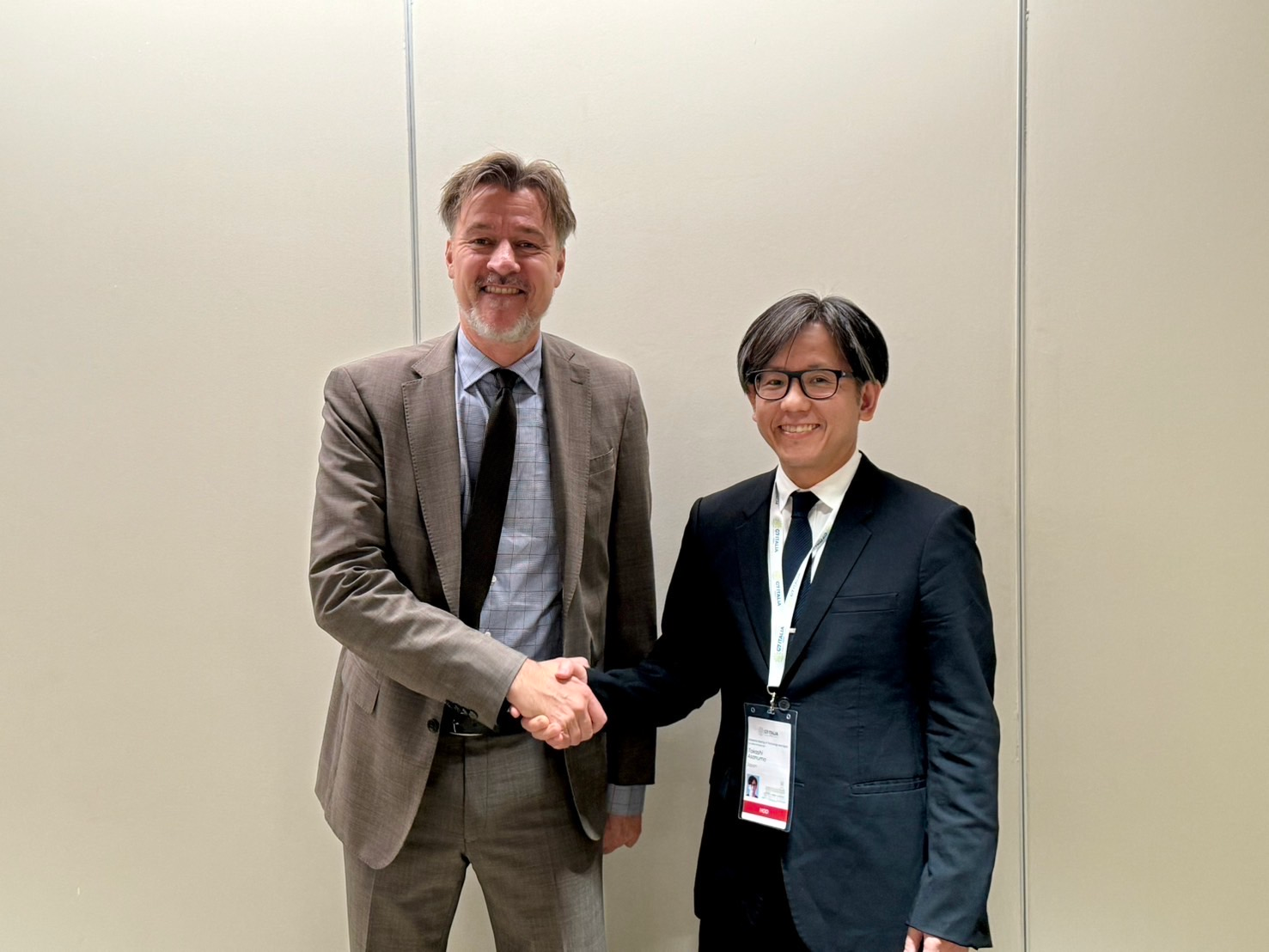
3. Canada
Meeting with Alix Dostal, Senior Assistant Deputy Minister at Innovation, Science and Economic Development Canada, during which views were exchanged on developments in DFFT, the use of DPI, and the relationship between data and AI. Japan also shared its experience as the 2023 G7 Presidency with Canada, which will hold the G7 Presidency in 2025.
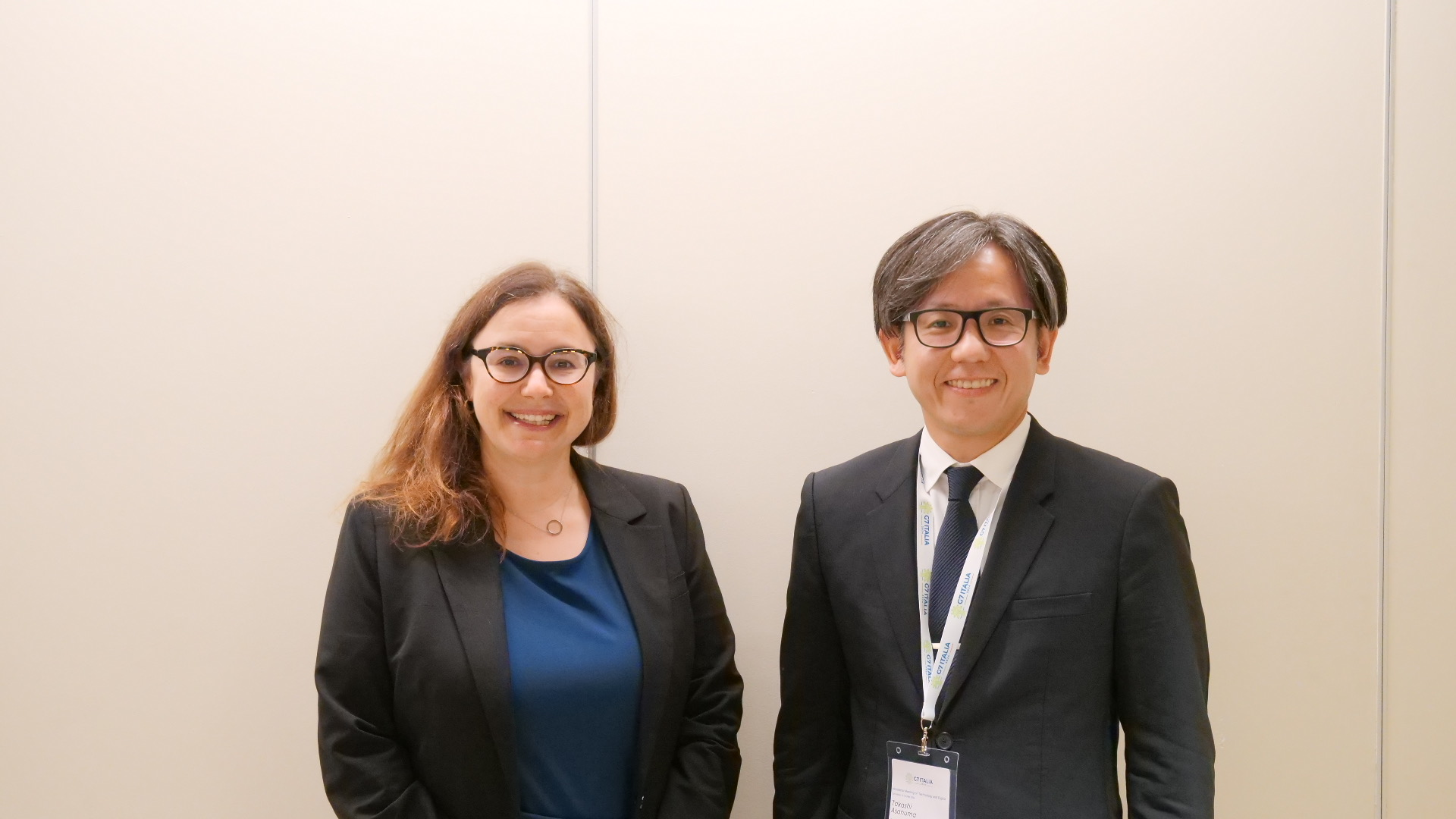
4. EU
Meeting with Margrethe Vestager, Executive Vice-President of the European Commission, during which continued collaboration was confirmed ahead of the next Ministerial Council to achieve concrete outcomes under the Japan–EU Digital Partnership, covering both physical infrastructure and data. Both sides also underscored the importance of advancing discussions on Data Free Flow with Trust (DFFT) toward next year’s G7 summit and agreed to maintain close bilateral dialogue between Japan and the EU.

5. United States
Meeting with Nathaniel Fick, U.S. Ambassador at Large for Cyberspace and Digital Policy. During the meeting, views were exchanged on the progress of Data Free Flow with Trust (DFFT), particularly focusing on discussions surrounding data security, advanced technologies such as AI, and data reliability. Additionally, discussions were held regarding future cooperation on international data governance in the Asia-Pacific region.
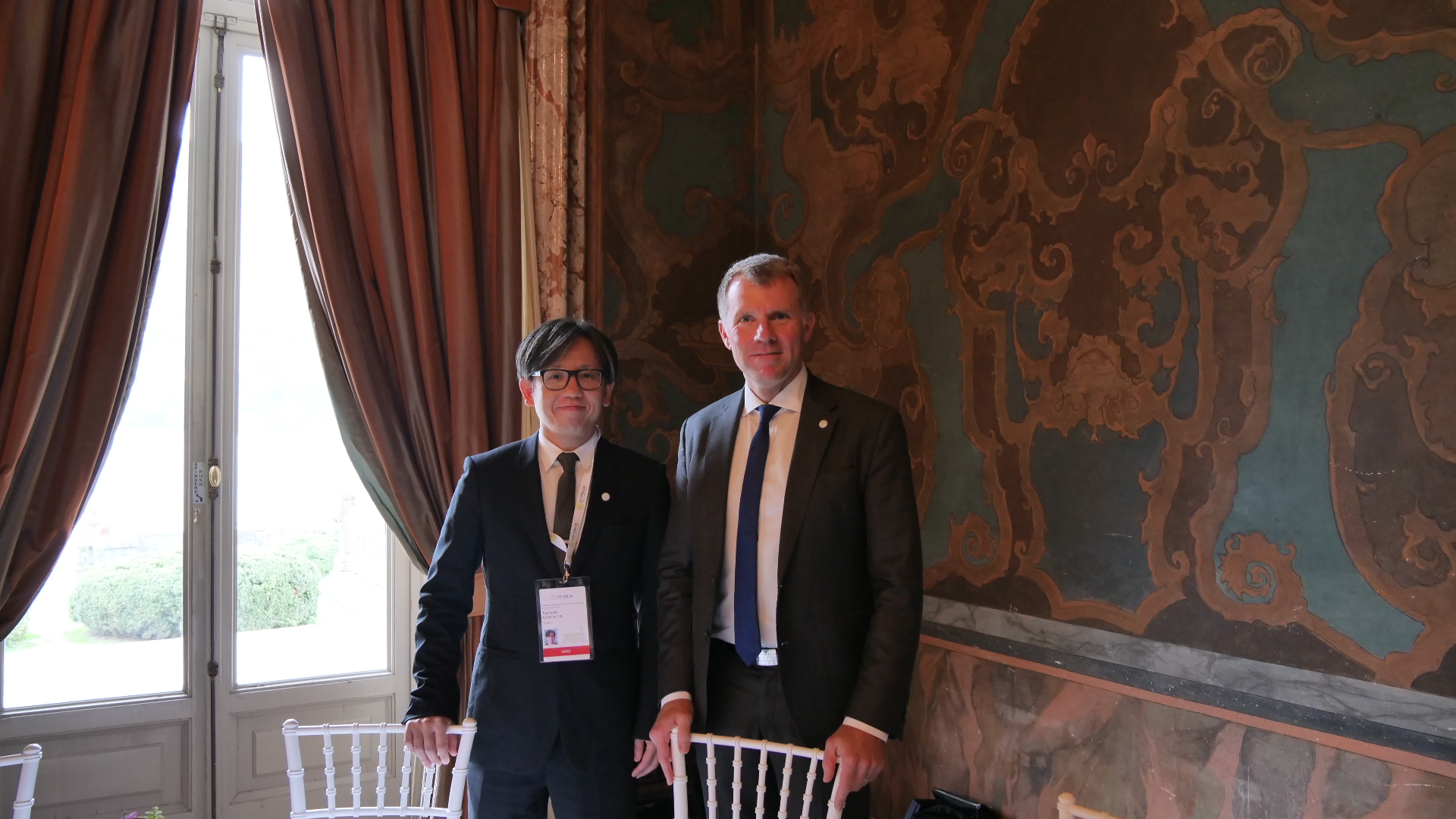
6. United Kingdom
Meeting with Feryal Clark, Parliamentary Under-Secretary of State of the United Kingdom, during which both sides affirmed continued bilateral dialogue and coordination on data security and trust in data and advanced technologies such as AI, including through the UK–Japan Digital Partnership. Both sides also confirmed their shared interest in leveraging this cooperation as a basis for discussions at next year’s G7. The UK side additionally expressed interest in digital IDs and expectations that Japan would share its experience in this area.